



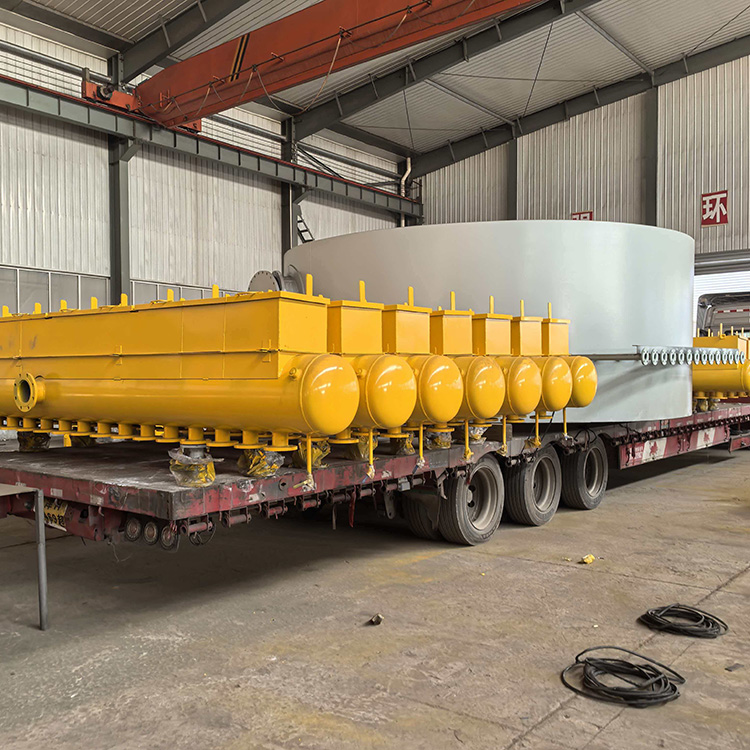
Custom Blast Furnace Gas Equipment
Custom Blast Furnace Gas Equipment Custom blast furnace gas equipment is engineered to collect, transport, clean, regulate, and utilize blast furnace gas generated during ironmaking processes. Because blast furnace gas contains combustible...
Custom Blast Furnace Gas Equipment
Custom blast furnace gas equipment is engineered to collect, transport, clean, regulate, and utilize blast furnace gas generated during ironmaking processes. Because blast furnace gas contains combustible components, dust, moisture, and other impurities, equipment must be designed according to gas composition, flow rate, pressure, temperature, and site conditions.
Role of Blast Furnace Gas Equipment
Blast furnace gas is generated continuously during blast furnace operation and can be recovered as a valuable secondary fuel.
Custom equipment may be used for:
Gas collection
Dust removal
Gas cooling
Pressure regulation
Gas transportation
Gas storage
Gas utilization
The complete system should maintain stable gas flow while minimizing leakage and ensuring safe operation.
Main Equipment Components
A customized blast furnace gas system may include:
Gas cleaning equipment
Dust collectors
Gas pipelines
Valves
Pressure control devices
Gas holders
Safety devices
Monitoring instruments
The configuration depends on the production capacity and process requirements of the blast furnace.
Material Selection
Material selection must consider high temperature, dust abrasion, corrosion, and gas composition.
Common materials include:
Carbon steel
Low-alloy steel
Stainless steel
Special corrosion-resistant materials
The selected materials should provide adequate mechanical strength and corrosion resistance under the actual operating environment.
Gas Cleaning System
Raw blast furnace gas contains a significant amount of dust.
Gas cleaning systems may use:
Cyclone separators
Wet scrubbers
Bag filters
Venturi scrubbers
Electrostatic precipitators
The appropriate technology depends on required gas cleanliness, gas temperature, dust concentration, and downstream utilization equipment.
Pressure and Flow Control
Stable pressure and flow are essential for safe operation.
Important parameters include:
Gas flow rate
Operating pressure
Temperature
Pressure fluctuations
Pipeline resistance
Control valves and monitoring instruments should be selected according to actual operating conditions.
The precise control of gas pressure helps protect downstream equipment and maintain stable fuel utilization.
Pipeline and Connection Design
Blast furnace gas pipelines require careful engineering because of the combustible nature of the medium.
Design considerations include:
Pipeline diameter
Wall thickness
Expansion compensation
Drainage
Inspection access
Sealing performance
Proper pipeline design helps reduce pressure loss and leakage risks.
Safety and Monitoring
Safety is a major consideration in blast furnace gas systems.
Monitoring may include:
Gas pressure
Gas temperature
Gas flow
Carbon monoxide concentration
Leak detection
Emergency shutdown conditions
The continuous monitoring of gas conditions is essential for identifying abnormal operating conditions and reducing safety risks.
Customization Requirements
Before equipment design, manufacturers should obtain:
Blast furnace capacity
Gas composition
Gas flow range
Operating temperature
Pressure requirements
Dust concentration
Installation conditions
This information helps engineers determine equipment dimensions, materials, control systems, and safety configurations.
Maintenance and Inspection
Regular maintenance should include:
Pipeline inspection
Valve inspection
Dust removal
Instrument calibration
Leak detection
Safety device testing
Preventive maintenance helps reduce unexpected shutdowns and maintain stable equipment performance.
Conclusion
Custom blast furnace gas equipment requires integrated consideration of gas characteristics, process conditions, material selection, flow control, and safety requirements.
Through professional process design, reliable gas cleaning, precise pressure control, suitable materials, and comprehensive monitoring systems, customized equipment can improve blast furnace gas recovery and utilization efficiency.
A properly engineered system can support energy recovery, reduce emissions, and provide safer and more stable operation for modern ironmaking facilities.
References
ISO 13579 – Industrial Furnace and Related Equipment Energy Efficiency
ISO 12100 – Safety of Machinery: Risk Assessment and Risk Reduction
API 6D – Pipeline and Pipeline Valves
ASME B31.1 – Power Piping
NFPA 86 – Standard for Ovens and Furnaces
ISO 9001 – Quality Management Systems Requirements