



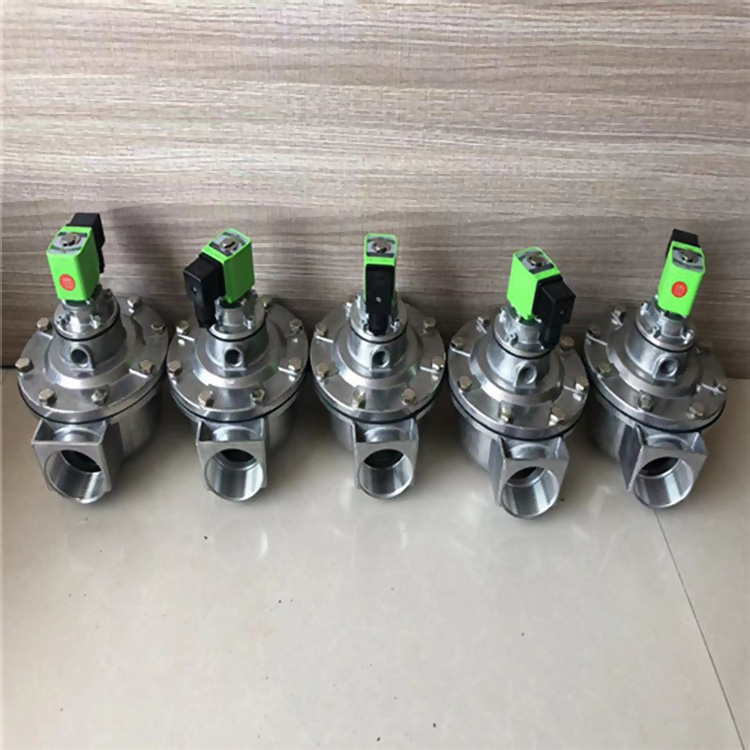
Solenoid Valves
Solenoid Valves Solenoid valves are electrically controlled valves used to start, stop, or regulate the flow of liquids and gases in automated systems. By converting electrical energy into mechanical movement, they provide fast and reliable...
Solenoid Valves
Solenoid valves are electrically controlled valves used to start, stop, or regulate the flow of liquids and gases in automated systems. By converting electrical energy into mechanical movement, they provide fast and reliable flow control and are widely used in industrial automation, water treatment, pneumatic systems, chemical equipment, HVAC systems, and process machinery.
Basic Structure of Solenoid Valves
A typical solenoid valve consists of several key components:
Solenoid coil
Plunger or armature
Valve body
Spring
Sealing elements
Flow passage
The coil generates a magnetic field when energized, causing the plunger to move and open or close the flow passage.
The coordination between the electromagnetic actuator, valve body, and sealing structure determines the reliability of the complete valve.
Working Principle
When electrical power is supplied to the solenoid coil, electromagnetic force moves the internal plunger.
Depending on the valve design, this movement can:
Open the valve
Close the valve
Switch between flow paths
When power is removed, a spring or other mechanism returns the valve to its original position.
This simple operating principle makes solenoid valves suitable for rapid and automated flow control.
Common Types
Solenoid valves can be classified according to their structure and application.
Common types include:
2-way solenoid valves
3-way solenoid valves
Normally closed valves
Normally open valves
Direct-acting valves
Pilot-operated valves
The correct valve type should be selected according to pressure, flow rate, medium, and control requirements.
Material Selection
Valve body materials may include:
Brass
Stainless steel
Aluminum
Engineering plastics
Stainless steel is commonly used for corrosive or hygienically demanding applications because of its good corrosion resistance and durability.
Sealing materials should also be compatible with the working medium.
Operating Medium Compatibility
Solenoid valves may control:
Water
Air
Oil
Steam
Gas
Chemical fluids
The seal and valve body materials must be compatible with the medium to prevent swelling, corrosion, leakage, or premature failure.
Pressure and Flow Requirements
Important selection parameters include:
Working pressure
Maximum pressure
Flow rate
Port size
Pressure differential
Incorrect selection may cause insufficient flow, delayed operation, or unstable valve performance.
For pilot-operated valves, an adequate pressure differential may be required for proper operation.
Electrical Requirements
The solenoid coil should match the control system.
Important parameters include:
Rated voltage
AC or DC power
Power consumption
Electrical connection
Duty cycle
Using an incorrect voltage can cause overheating, coil failure, or unreliable operation.
The electrical specifications should always be verified before installation and commissioning.
Sealing and Leakage Performance
Sealing performance is essential for safe operation.
Inspection should focus on:
External leakage
Internal leakage
Seal deformation
Connection integrity
Proper sealing helps maintain system pressure and prevents unnecessary fluid loss.
Maintenance Requirements
Regular maintenance may include:
Checking electrical connections
Inspecting seals
Cleaning valve passages
Checking coil temperature
Removing contaminants
Timely maintenance helps prevent sticking, leakage, and electrical failure.
Common Applications
Solenoid valves are widely used in:
Water treatment systems
Pneumatic equipment
Industrial automation
Irrigation systems
HVAC equipment
Chemical processing
Packaging machinery
Their fast response and easy integration make them valuable components in automated control systems.
Conclusion
Solenoid valves provide an efficient method for automated fluid control.
Through proper valve selection, material compatibility, pressure and flow matching, electrical configuration, and regular maintenance, users can achieve reliable and long-lasting operation.
A correctly specified solenoid valve improves system automation, reduces leakage and downtime, and provides stable control of industrial fluids and gases.
References
IEC 60534 – Industrial-Process Control Valves
ISO 4414 – Pneumatic Fluid Power: General Rules and Safety Requirements
ISO 5211 – Industrial Valves: Mounting Dimensions for Part-Turn Actuators
ASME B16.34 – Valves: Flanged, Threaded, and Welding End
ISO 9001 – Quality Management Systems Requirements
IEC 60529 – Degrees of Protection Provided by Enclosures (IP Code)