



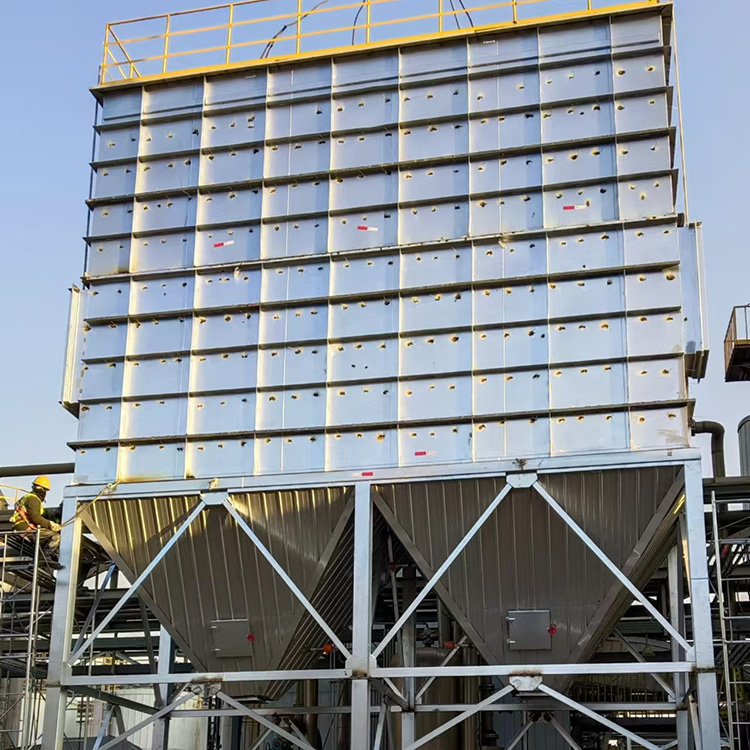
Stainless Steel Dust Collector
Stainless Steel Dust Collector A stainless steel dust collector is an industrial air filtration system designed to capture, separate, and remove dust particles, fumes, and airborne contaminants generated during production processes . Due to...
Stainless Steel Dust Collector
A stainless steel dust collector is an industrial air filtration system designed to capture, separate, and remove dust particles, fumes, and airborne contaminants generated during production processes. Due to its excellent corrosion resistance, durability, and hygienic properties, stainless steel dust collectors are widely used in industries such as food processing, pharmaceuticals, chemicals, metalworking, electronics, and precision manufacturing.
Structural Composition of Stainless Steel Dust Collectors
A stainless steel dust collector is composed of several key components, including:
Dust inlet system
Filter chamber
Filter elements
Dust collection hopper
Cleaning mechanism
Fan and exhaust system
Control unit
The overall structure is designed to achieve efficient dust capture while maintaining stable airflow and long-term operating reliability.
Stainless Steel Material Advantages
The use of stainless steel provides important performance benefits.
Main advantages include:
Excellent corrosion resistance
High mechanical strength
Smooth surface finish
Easy cleaning and maintenance
Long service life
Compared with ordinary carbon steel equipment, stainless steel dust collectors are more suitable for environments with moisture, chemicals, or strict cleanliness requirements.
Working Principle of Dust Collection
The dust collection process usually follows several stages.
First, dust-containing air enters the collector through the inlet system. The airflow then passes through filter elements where dust particles are separated and retained on the filter surface.
Clean air is discharged through the outlet, while collected dust is removed through the cleaning system.
The efficient separation of dust particles depends on airflow design, filter performance, and proper equipment configuration.
Filter System Design
The filter element is the core component of a dust collector.
Common filter types include:
Cartridge filters
Bag filters
Pleated filters
Different filters are selected according to:
Particle size
Dust concentration
Operating temperature
Chemical characteristics
A suitable filtration system improves dust removal efficiency and reduces energy consumption.
Dust Cleaning Mechanisms
To maintain continuous operation, stainless steel dust collectors are equipped with cleaning systems.
Common cleaning methods include:
Pulse jet cleaning
Mechanical vibration cleaning
Reverse airflow cleaning
The cleaning system removes accumulated dust from the filter surface and restores filtration performance.
The effective cleaning process helps extend filter service life and maintain stable airflow resistance.
Application Areas
Stainless steel dust collectors are widely applied in:
Food and beverage production
Chemical processing
Pharmaceutical manufacturing
Metal polishing
Welding operations
Wood processing
Electronic manufacturing
Their corrosion resistance and easy-clean design make them especially suitable for industries requiring high environmental standards.
Performance Factors
The performance of a stainless steel dust collector depends on several factors:
Airflow capacity
Filtration accuracy
Dust loading
Fan power
Filter area
Equipment sealing
Proper design ensures efficient dust removal while reducing operating costs.
Maintenance Requirements
Regular maintenance is essential for reliable operation.
Important maintenance activities include:
Checking filter conditions
Cleaning dust accumulation
Inspecting sealing performance
Maintaining fans and motors
Replacing damaged components
The preventive maintenance system helps avoid equipment downtime and maintains consistent filtration efficiency.
Advantages of Customized Design
Different industrial applications may require customized dust collector solutions.
Customization options include:
Different filtration capacities
Special stainless steel grades
Explosion-proof designs
Automatic cleaning systems
Compact structures
Customized solutions help match equipment performance with specific production requirements.
Conclusion
Stainless steel dust collectors provide an effective solution for industrial dust control with advantages such as high corrosion resistance, efficient filtration, easy maintenance, and long operational life.
By selecting suitable materials, filtration systems, airflow designs, and maintenance strategies, manufacturers can improve workplace safety, production cleanliness, and environmental protection performance.
References
ISO 16890 – Air Filters for General Ventilation
ISO 14644 – Cleanrooms and Associated Controlled Environments
ASHRAE Standard 52.2 – Method of Testing General Ventilation Air-Cleaning Devices
NFPA 652 – Standard on the Fundamentals of Combustible Dust
OSHA – Occupational Safety and Health Standards for Air Contaminant Control
ISO 9001 – Quality Management Systems Requirements